
Make the right architecture decisions, then carry them through to business outcomes



Three outcomes, powered by the same decision system
Make the right high-stakes system decisions
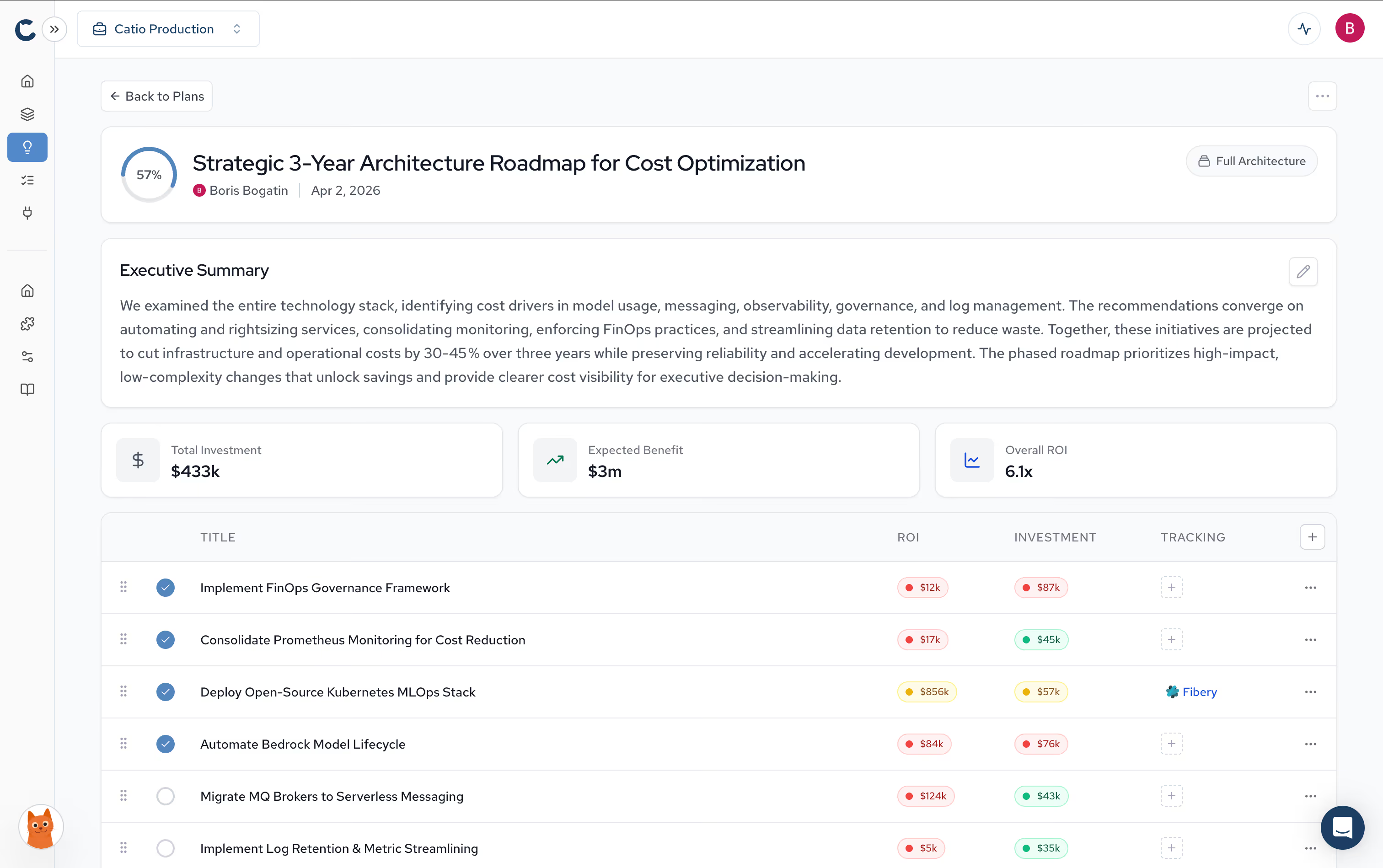


- Modernization plans with explicit trade-offs
- Cost optimization through re-architecture
- M&A integration and system consolidation
- Stack rationalization and simplification
Keep teams shipping at AI speed — without architecture becoming the bottleneck
Teams build and ship to them, in their existing Coding IDEs.
Architects focus on exceptions instead of every implementation detail.
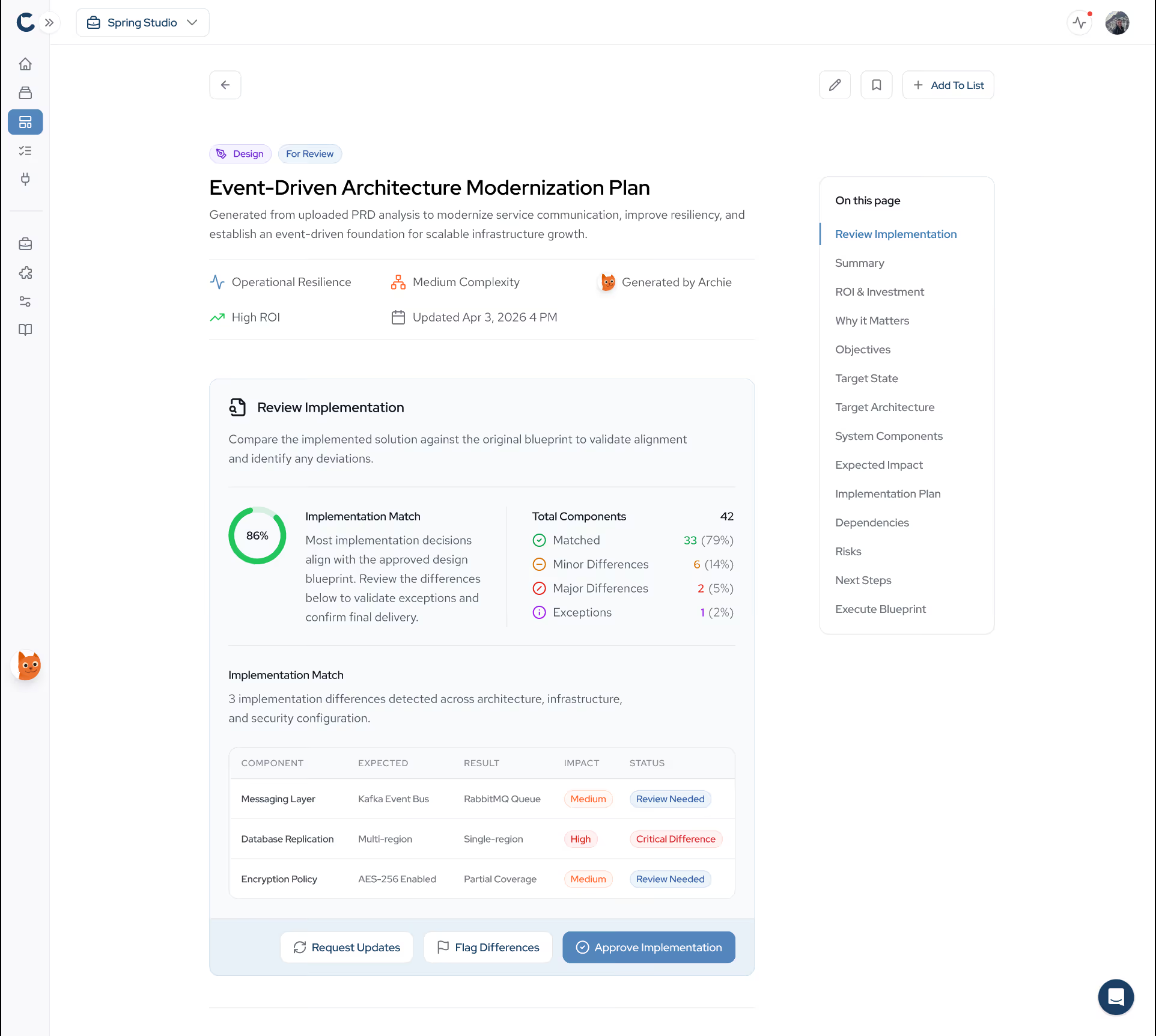
- System-aligned specs generated automatically at AI speed
- Execution-ready designs teams and coding AI can build from immidiately
- Exception-based reviews by your trusted architects instead of capacity bottlenecks
- Continuous alignment between system intent, implementation, and architecture governance
Keep your system improving — not drifting
So AI-speed implementation compounds architectural intent instead of eroding it.
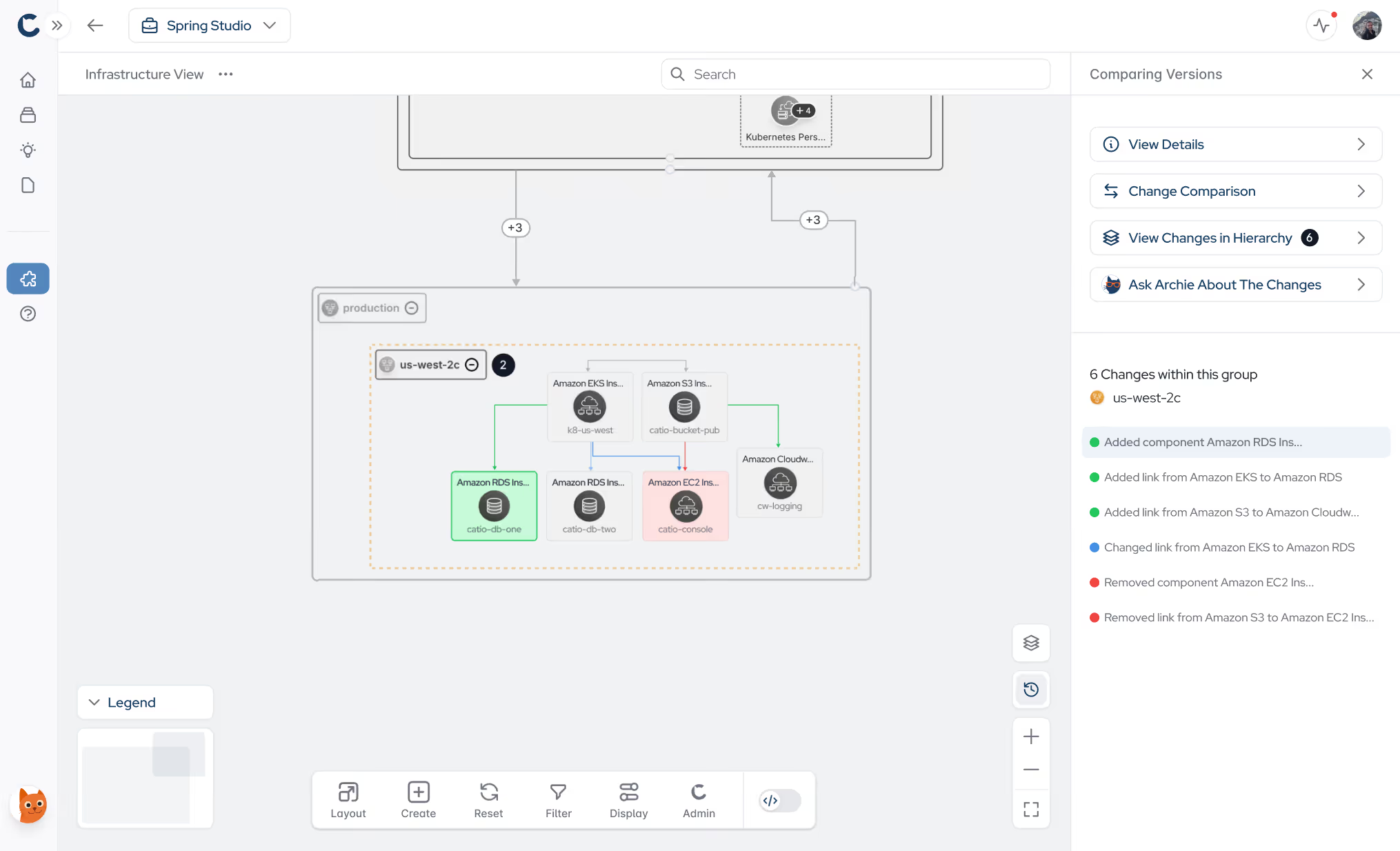
- Early detection of architectural drift across systems and teams
- Continuous alignment through exception-based governance
- Persistent architecture memory that survives org and code change
- AI-speed development which compounds the system, instead of fragmenting it
AI made execution fast. Catio compounds it.
And now decisions, specs, and execution stay continuously aligned.


What changes in practice

Still evaluating?
Catio integrates with your existing code, cloud, and observability systems to build a real-time model of your architecture, so it's grounded in what’s actually running, not just documentation.
You connect key systems and context, and then set-up an initial workspace scope. From there, you start with a first decision or initiative, and Catio guides your system understanding, equips you with plans and designs, and lets you carry those through aligned execution.
Architects, engineering leads, and platform teams use Catio to define and guide decisions. Developer and infra teams continue building in their existing tools, with decisions and designs flowing in to guide execution.
Docs describe systems after the fact, and go stale the moment they are written. Catio helps you make decisions before and during change, with trade-offs, system context, and execution-ready outputs, and then keeps your system understanding up to date.