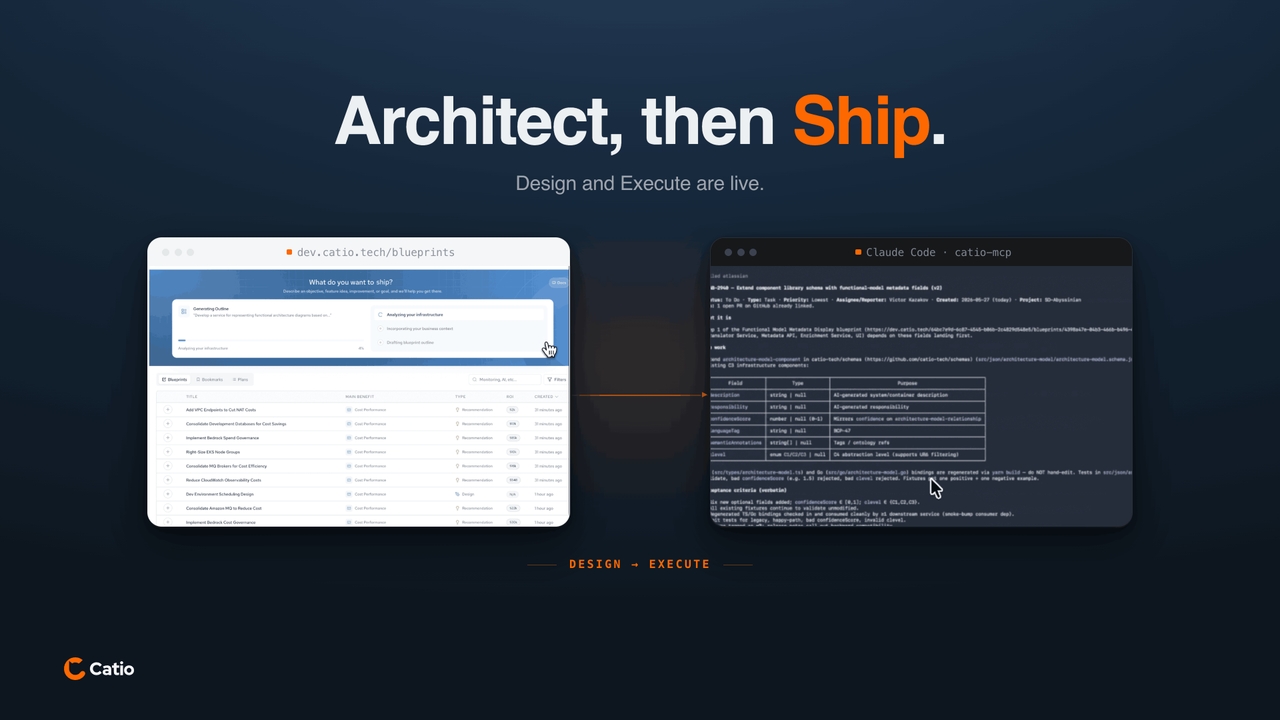
the platform
The system for making architecture decisions that hold through execution, and compound over time
A continuous decision system for understanding architecture, evaluating trade-offs, and guiding execution.


Explore the Architecture IDE
Ask a real question and see how it becomes a plan or an execution-ready design.
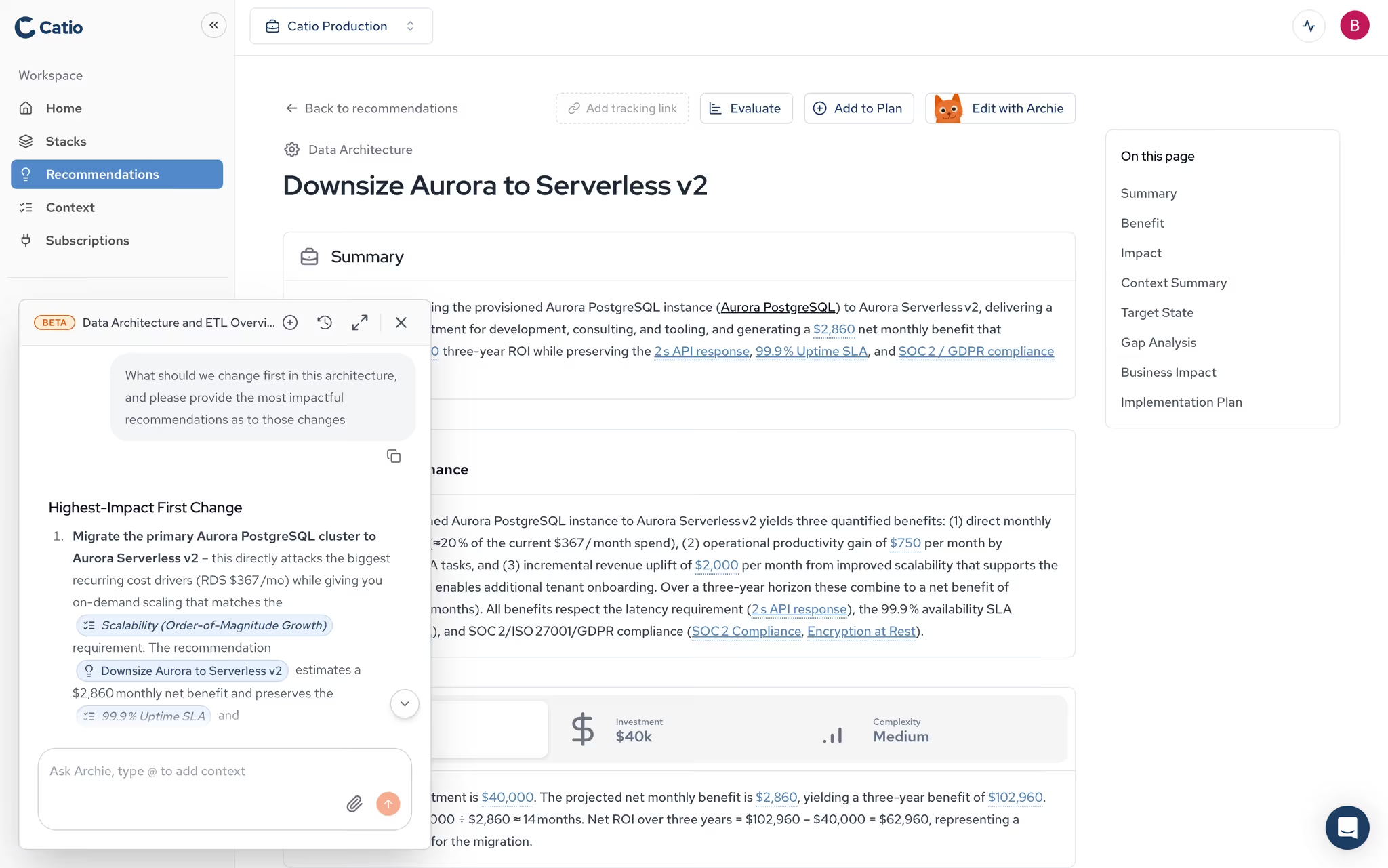


Meet Archie — your reasoning agent
Ask questions about your architecture, evaluate trade-offs, and get to decisions and designs that keep your system aligned as teams build.
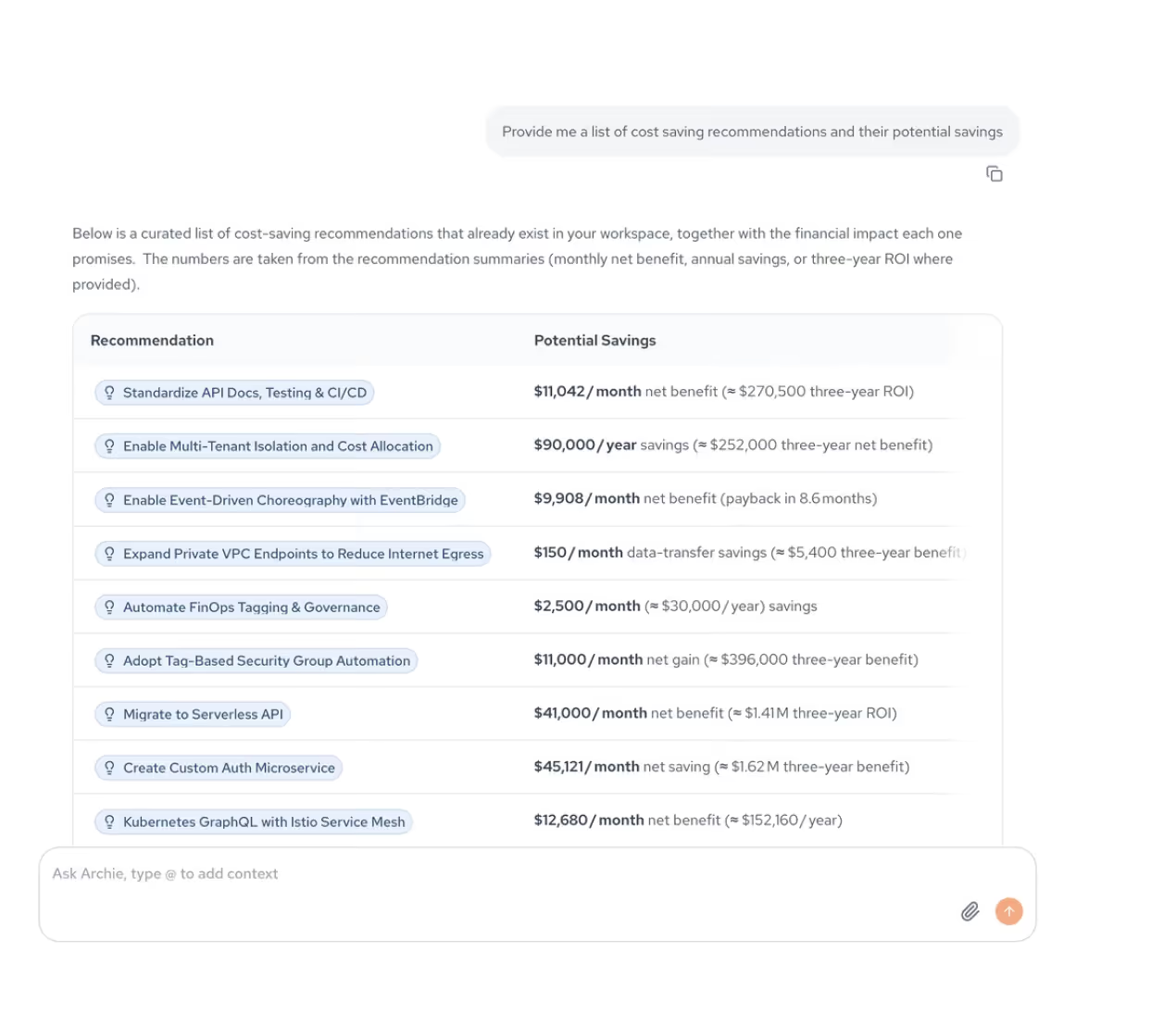


Work as you already do, just with a principal architect by your side
Ask questions, test ideas, and whiteboard through decisions. All grounded in your actual system.

Reason with full system context
Every answer is grounded in your architecture, constraints, dependencies, and objectives, not assumptions.

Carry decisions into execution
Move from understanding, to decisions, to execution-ready designs and specs.
Without a continuous decision loop, systems fragment as they evolve.


understand
See your system. As it actually is.
A real-time model of your architecture, grounded in what’s running, not what’s documented.
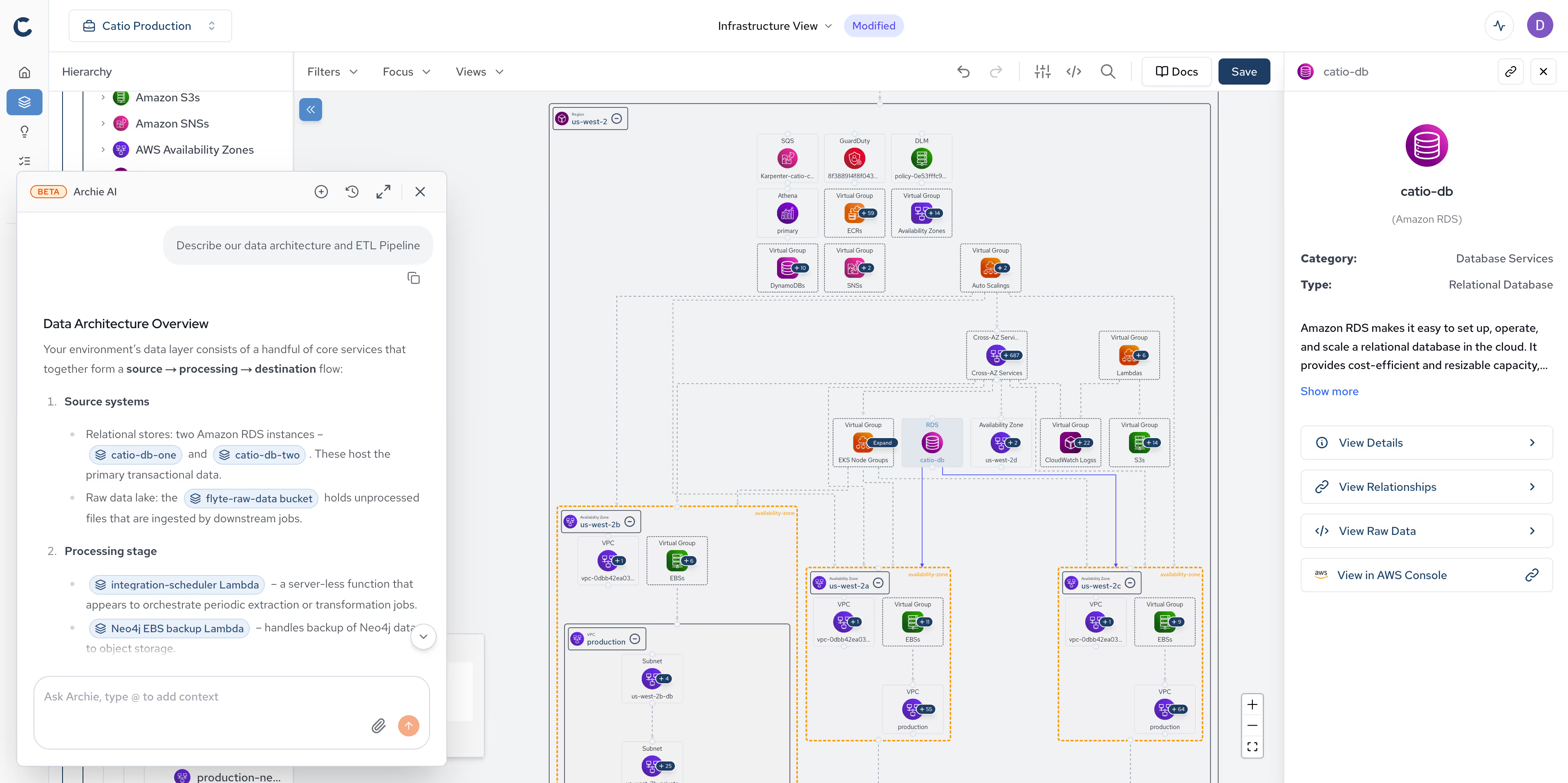
Grounded in your system
Directly connected to your infrastructure, source code, and data flows

Complete system view
Every service, dependency, and environment in one place

One model of the system
Architecture decisions stay aligned as teams work from the same system context
Decide
Make the right decisions with full system context
Ask questions, evaluate trade-offs, and get decision-grade recommendations grounded in your requirements and actual system.

Evaluate real options
Compare trade-offs against your architecture, constraints, and goals
Every option, priced
Trade-offs, risks, and ROI are made explicit, not discovered down the line
Execution-ready plans
With implementation steps grounded in your actual system, not generic advice.
Design
Define what gets built — before it’s built
Create execution-ready designs grounded in your architecture, constraints, and standards.
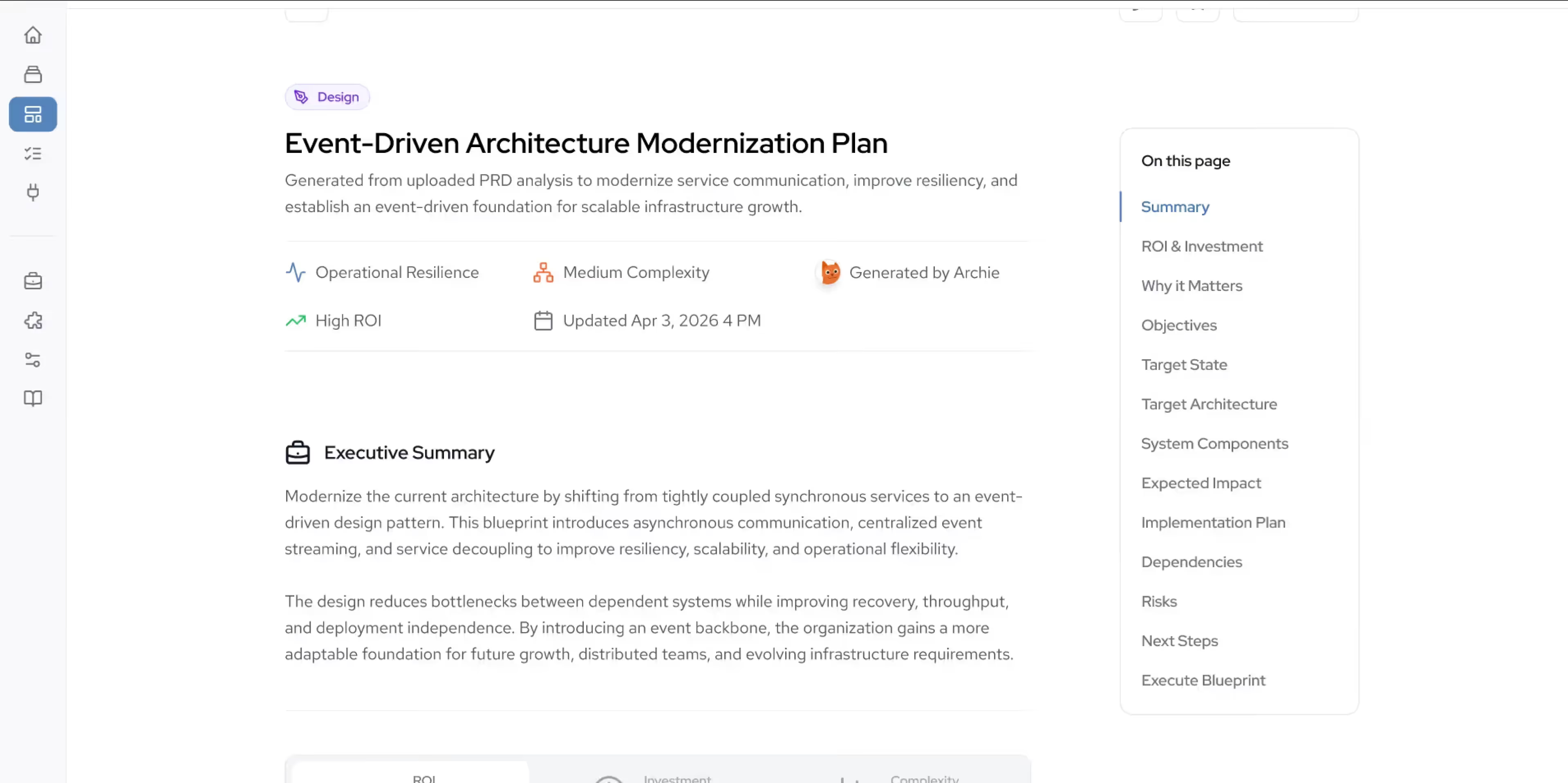
Execution-ready specs
Clear, structured designs teams can build against immediately
Aligned to your system
Every design reflects your architecture, dependencies, and guardrails
Built-in standards
Security, scalability, and governance are embedded by design
execute
Ensure execution follows the decision, without slowing teams down
Execution happens in your existing tools, guided by architecture-defined specs and guardrails.


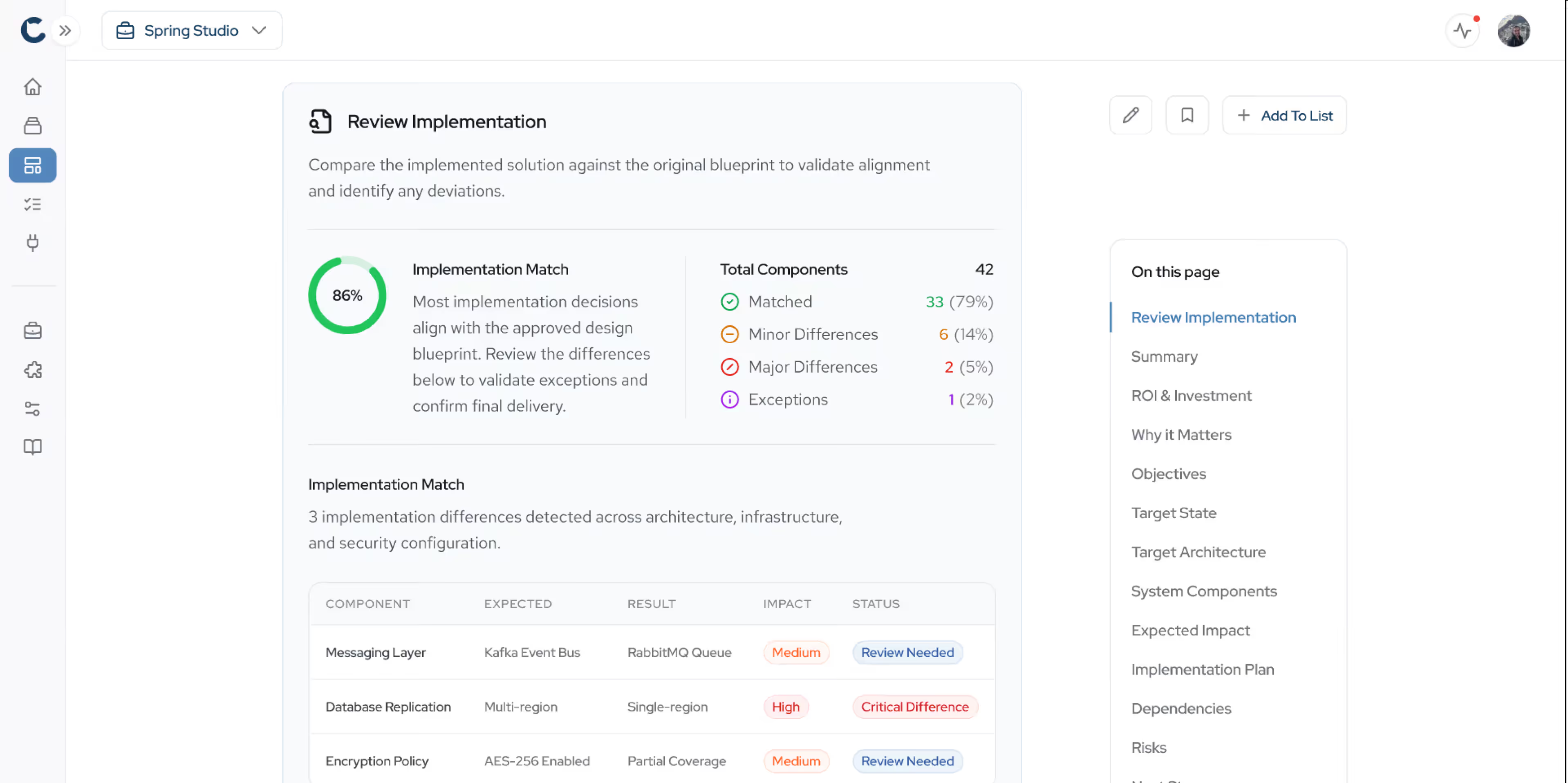
Spec → execution
Teams build from system-aligned, execution-ready designs
Works with your tools
Natively integrates with coding IDEs and infrastructure platforms
Exception-based reviews
Architects review exceptions and high-impact changes, not every design
compound
Keep your system improving — not drifting
Track architectural change, detect drift, and ensure the system evolves with intent.
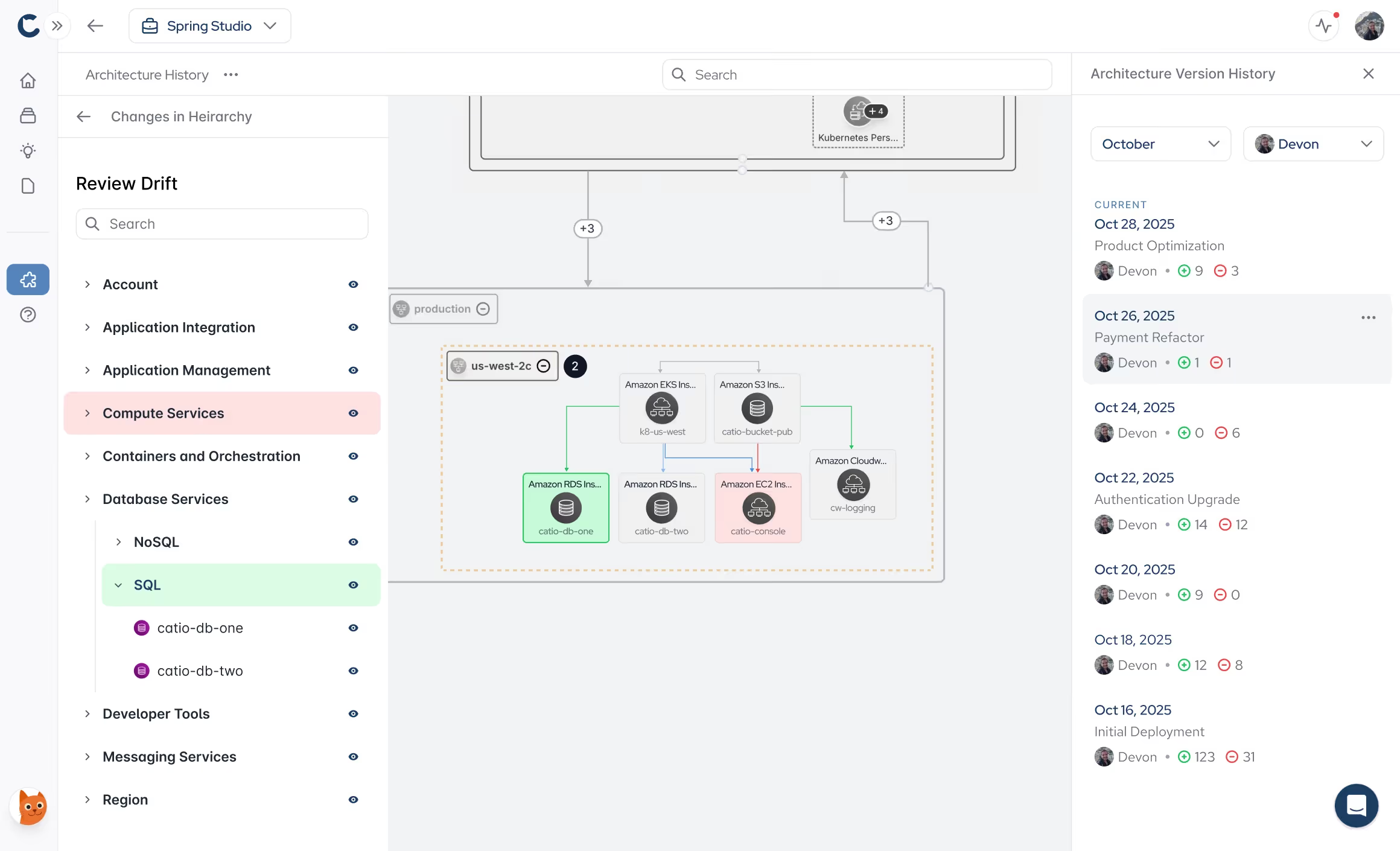
Drift detection
Identify where implementation diverges from architectural intent
System evolution tracking
Understand how architecture changes over time across environments
Architecture memory
Decisions persist as system context, not scattered across docs and threads
Want to validate your understanding?
Walk through an architecture optimization, architecture-led AI SDLC initiative, or governance challenge with our team.
Book a Demo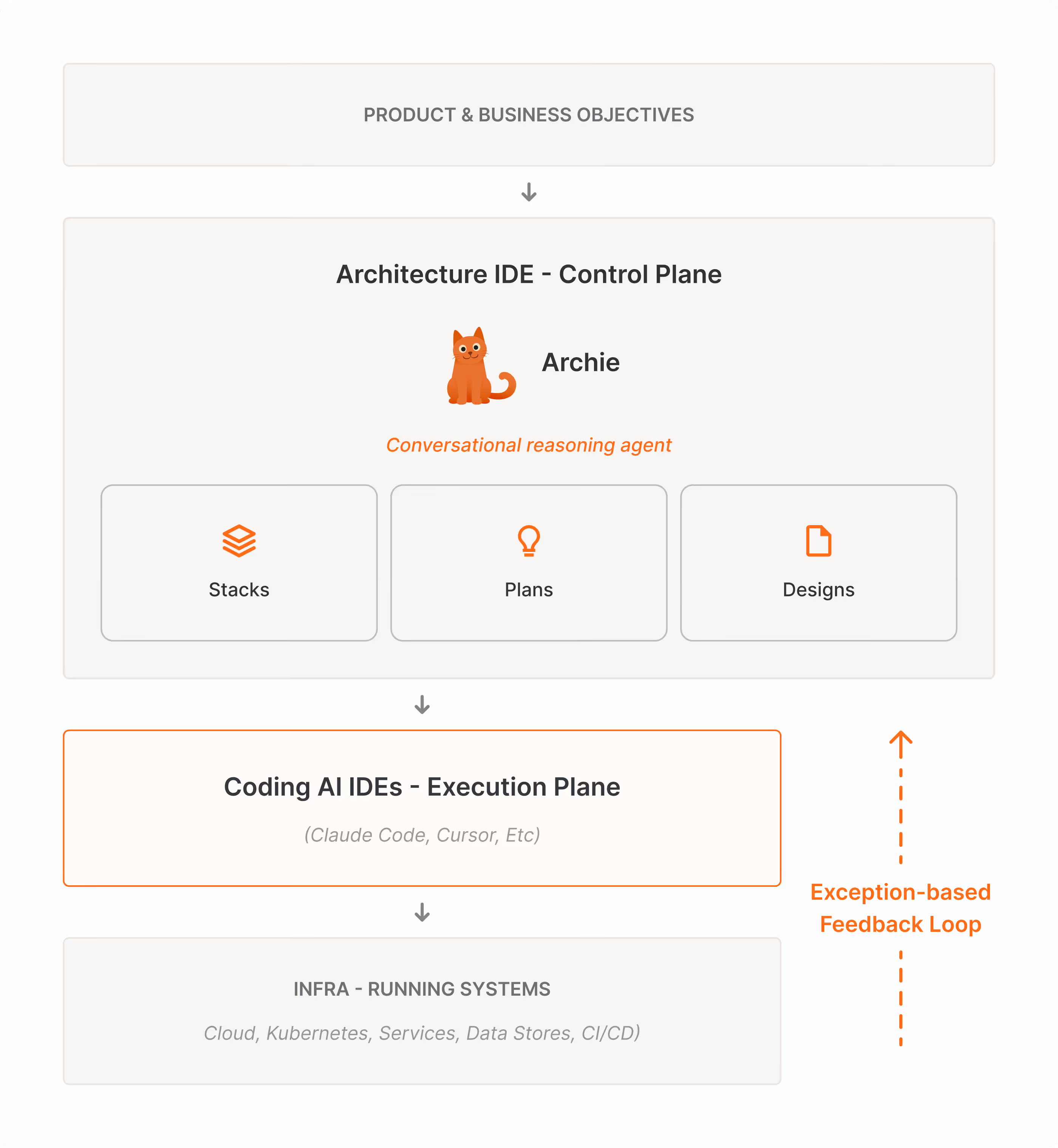
Works with your existing execution stack
We don’t replace coding IDEs. We define what gets executed at the system level.
Teams continue building in their existing tools, guided by aligned specs, standards, and architecture decisions.
Teams continue building in their existing tools, guided by aligned specs, standards, and architecture decisions.
Why teams move beyond docs, diagrams, and guesswork
Built for decisions, not documentation
Designed for how architects actually reason: trade-offs, constraints, system impact.
Not static docs.
Not disconnected diagrams.
Not static docs.
Not disconnected diagrams.
One Architecture IDE shared across teams
A single reasoning system across teams and leadership.
No fragmented understanding.
No siloed decisions.
No fragmented understanding.
No siloed decisions.
From decision → execution without loss
Decisions flow into execution through specs and guardrails.
Context is preserved.
Systems stay aligned as they evolve.
Context is preserved.
Systems stay aligned as they evolve.
What this enables
Make the right architectural decisions before execution begins
Define what gets built,
with shared system intent
Ensure the system improves with every change, instead of drifting over time
Start a real architecture decision
Thank you! Your submission has been received!
Oops! Something went wrong while submitting the form.
Run this on your system