
The Shift
AI accelerated coding. Architecture decisions are now the bottleneck.
Teams are shipping faster than ever. Without a system for architecture decisions, systems fragment faster too.
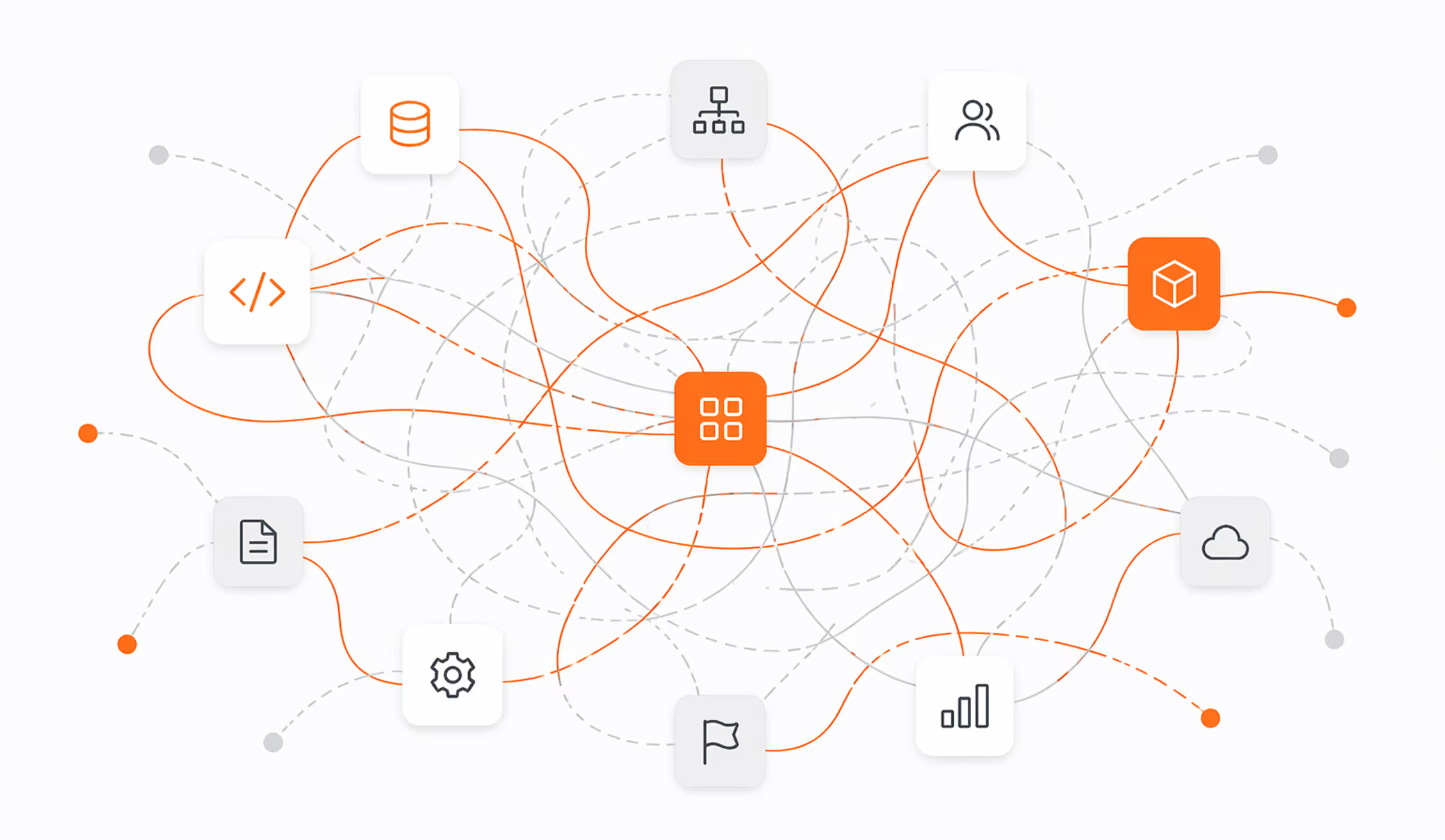

Code ships faster. Architecture breaks faster.
Coding IDEs and infra platforms streamlined execution. Yet architecture decisions still happen across fragmented context, disconnected tools, and isolated trade-offs.

Architecture diagrams that go stale the moment you draw them

Spreadsheets trying to track a living system

Specs disconnected from what’s running in production

Slack threads no one can reconstruct later

Generic advice on high-stakes decisions
30-40%
of engineering time is lost to rework from drift and technical debt
As systems scale, architecture is harder to reason about through documents, meetings, and disconnected tools alone.
Teams optimize locally because there's no platform for system-level reasoning.
Over time, systems fragment, intent is lost, and technical debt accumulates.
Teams optimize locally because there's no platform for system-level reasoning.
Over time, systems fragment, intent is lost, and technical debt accumulates.

Without a system for decisions, architecture evolves through drift.
Fragmented Reality

Drift
Compounding Cost and Risk
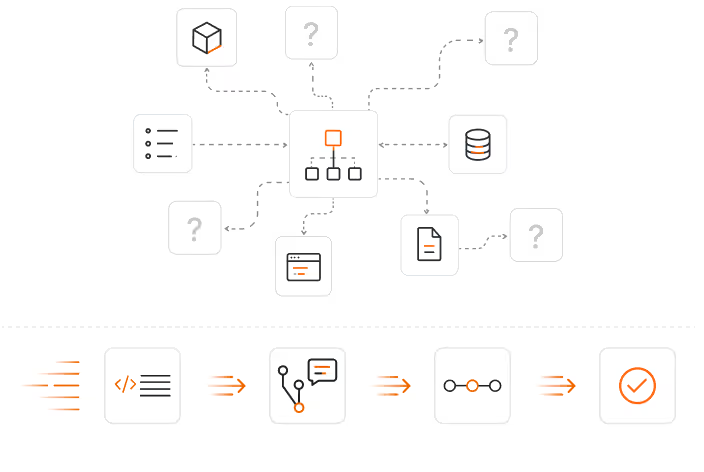
With AI, teams are shipping faster than systems can be understood
System-level reasoning isn’t keeping up → decisions are made without full context
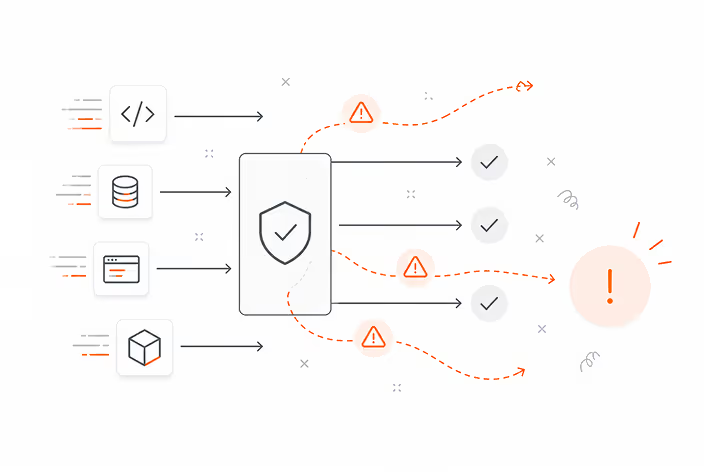
No system for catching critical design gaps as they emerge
Architects can’t see where the system is breaking → issues slip through in the name of speed

Drift accumulates silently as systems evolve
What looks fine locally compounds → until the system breaks, leading to misalignment, instability, and rework
With AI, teams are shipping faster than systems can be understood
System-level reasoning isn’t keeping up → decisions are made without full context
No system for catching critical design gaps as they emerge
Architects can’t see where the system is breaking → issues slip through in the name of speed
Drift accumulates silently as systems evolve
What looks fine locally compounds → until the system breaks, leading to misalignment, instability, and rework
With AI, teams are shipping faster than systems can be understood
System-level reasoning isn’t keeping up → decisions are made without full context
No system for catching critical design gaps as they emerge
Architects can’t see where the system is breaking → issues slip through in the name of speed
Drift accumulates silently as systems evolve
What looks fine locally compounds → until the system breaks, leading to misalignment, instability, and rework
The two IDEs
Software delivery has a system. Architecture decisions do not.
Execution is structured and accelerated.
Architecture is fragmented and lagging.
Architecture is fragmented and lagging.
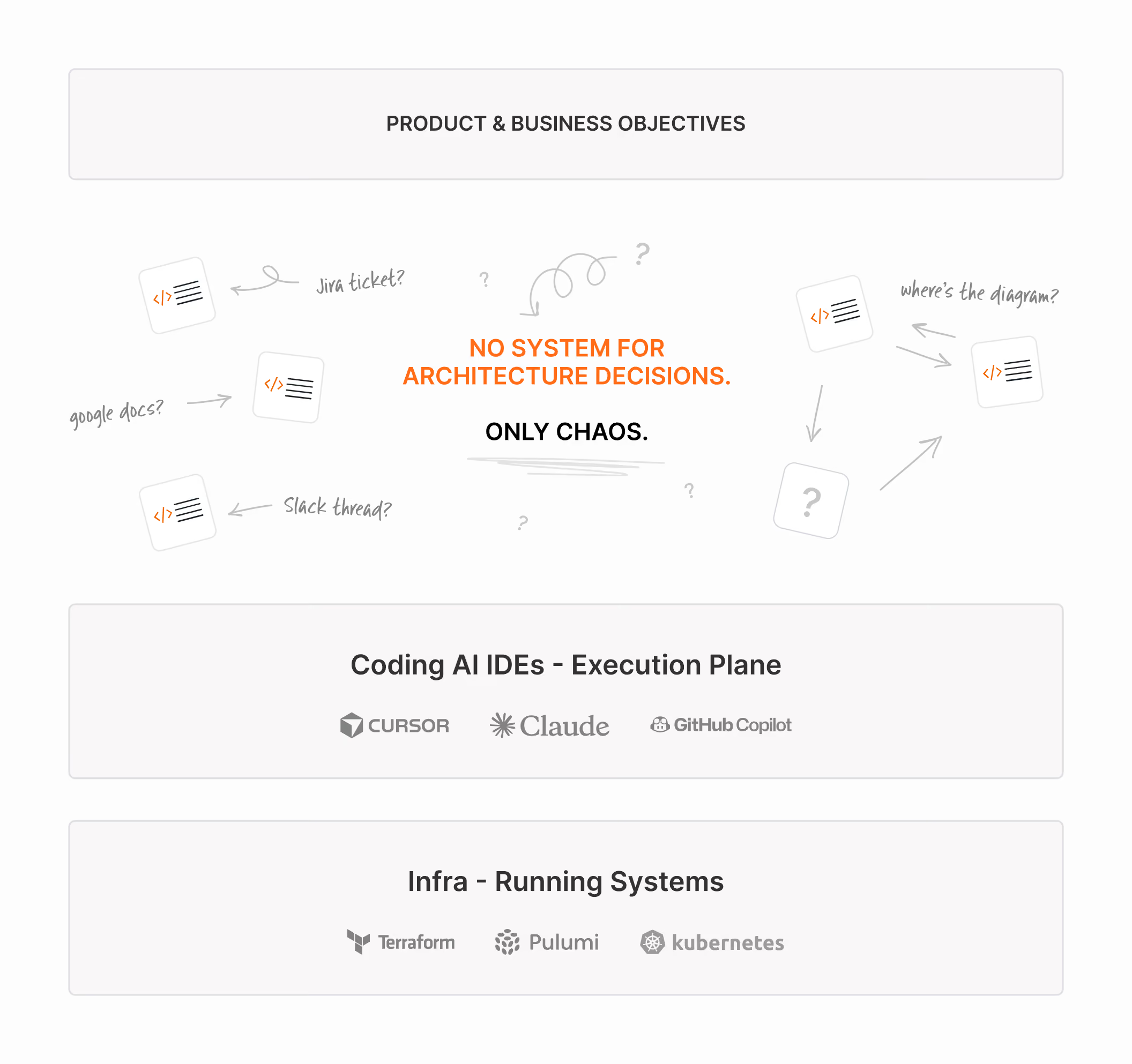
What’s missing is a system for making architecture decisions that hold through execution.
the missing layer
Architecture decisions have no system of work.

Architecture decisions still live across disconnected tools and conversations.

There’s no shared system to evaluate trade-offs and carry architecture decisions through execution.
Every change introduces more uncertainty, drift, and fragmentation.

What changes
Teams keep shipping fast. Architecture compounds through execution.
The right decisions and designs guide execution at AI speed. The system stays aligned as it scales and evolves.
BEFORE

Decisions are slow, fragmented, and don’t hold

Teams move fast but systems drift

The system becomes harder to reason about and evolve
AFTER

The right decisions are made with system-level context

Execution reflects intent at AI speed

The system improves with every change
The maturity question
Most orgs think they're at Level 3.
Where do you actually stand?
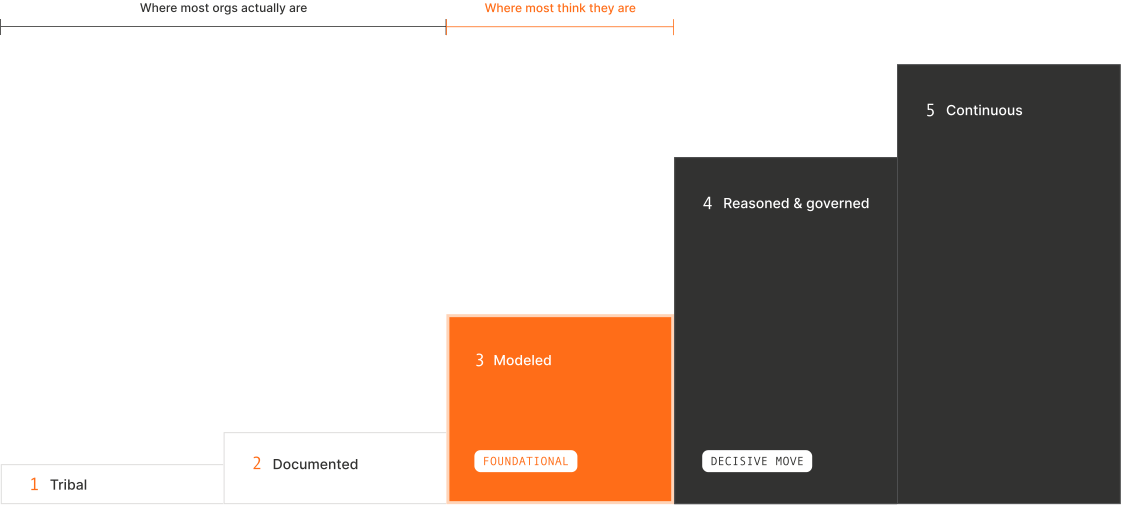
The Architecture Control Plane whitepaper maps all five levels, the five control surfaces behind them, and the one jump that unlocks the rest.
Get the whitepaper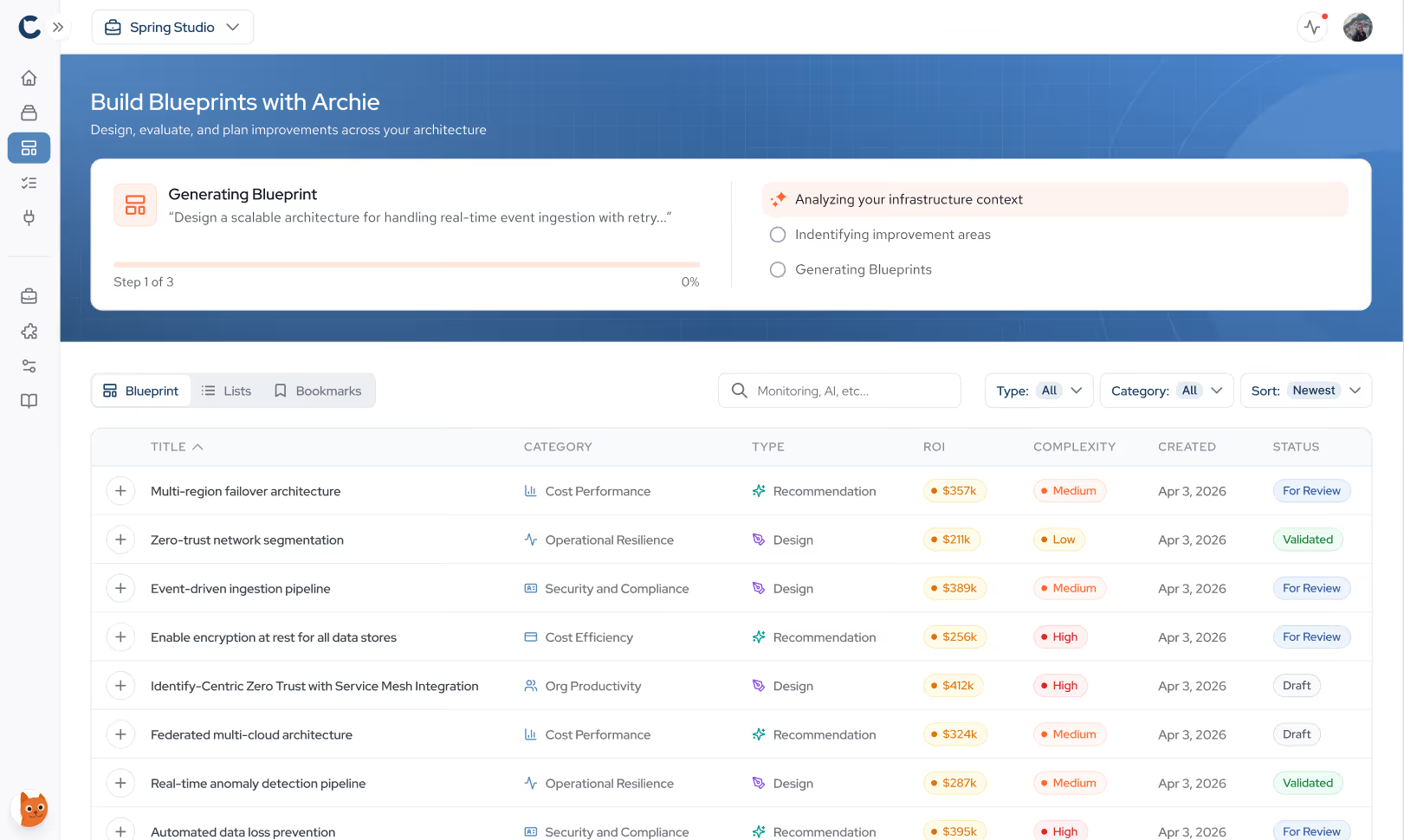
introducing catio
Catio is the Architecture IDE — where architecture decisions hold through execution.

Define what gets built, then ensure it compounds
See how architecture decisions become structured, aligned, and execution-ready
Start a real architecture decision